Wisdom Tooth Swelling in Spokane? Find Emergency Dental Care
Swelling near the back of your mouth can make eating, chewing, and opening your mouth uncomfortable. If the area around a wisdom tooth becomes swollen or irritated, you may be dealing with a dental problem that needs prompt professional attention.
Wisdom teeth are the last molars to emerge. When there is not enough room for them to come through properly, they can become partially trapped beneath the gums or emerge at an angle. Food and bacteria may collect around the affected area, contributing to inflammation or infection.
If you are experiencing new swelling near a wisdom tooth, do not rely on guesswork. Emergency Dental Spokane helps connect callers with licensed dental providers in Spokane and surrounding communities. Call (509) 408-3865 for assistance locating available care.
When Does a Wisdom Tooth Problem Require Urgent Attention?
Wisdom tooth complications can develop gradually or become noticeable over a short period. Some symptoms may resemble ordinary gum irritation, while others could indicate a condition requiring urgent evaluation.
Watch for warning signs such as:
Swelling or redness around the gum behind your last molar.
Tenderness when chewing or brushing near the back of your mouth.
An unpleasant taste or fluid coming from the gum.
Difficulty opening your mouth normally.
Swelling extending toward the cheek or jaw.
Food repeatedly becoming trapped around a partially erupted tooth.
These symptoms do not establish a specific diagnosis. They may be consistent with inflammation around a partially erupted wisdom tooth, tooth decay, or another dental condition.
Contact a dental professional promptly if symptoms are worsening or interfering with normal eating and oral hygiene.
Important: If you develop difficulty breathing or swallowing, rapidly spreading facial or neck swelling, or another potentially life-threatening symptom, seek emergency medical care immediately. Call 911 when appropriate rather than waiting for a dental appointment.
What Could Be Causing Swelling Around a Wisdom Tooth?
Several conditions can produce similar symptoms, so an examination is necessary to determine the cause.
1. Inflammation around a partially erupted wisdom tooth
When a wisdom tooth emerges through the gum only partly, a flap of tissue may remain over part of the tooth. Food and bacteria can collect underneath it, potentially causing inflammation known as pericoronitis.
2. Tooth decay
Wisdom teeth are often difficult to clean because of their position at the back of the mouth. Plaque buildup may contribute to decay, which can affect the tooth and surrounding tissues.
3. Gum disease or localized gum irritation
Bacteria, trapped food, and irritation around the back molars may inflame the gums. Similar symptoms can also occur when neighboring teeth or periodontal tissues are affected.
Other possibilities include an infection involving the tooth's inner tissues or a problem with an adjacent molar. Only a qualified dental professional can assess which explanation fits your symptoms.
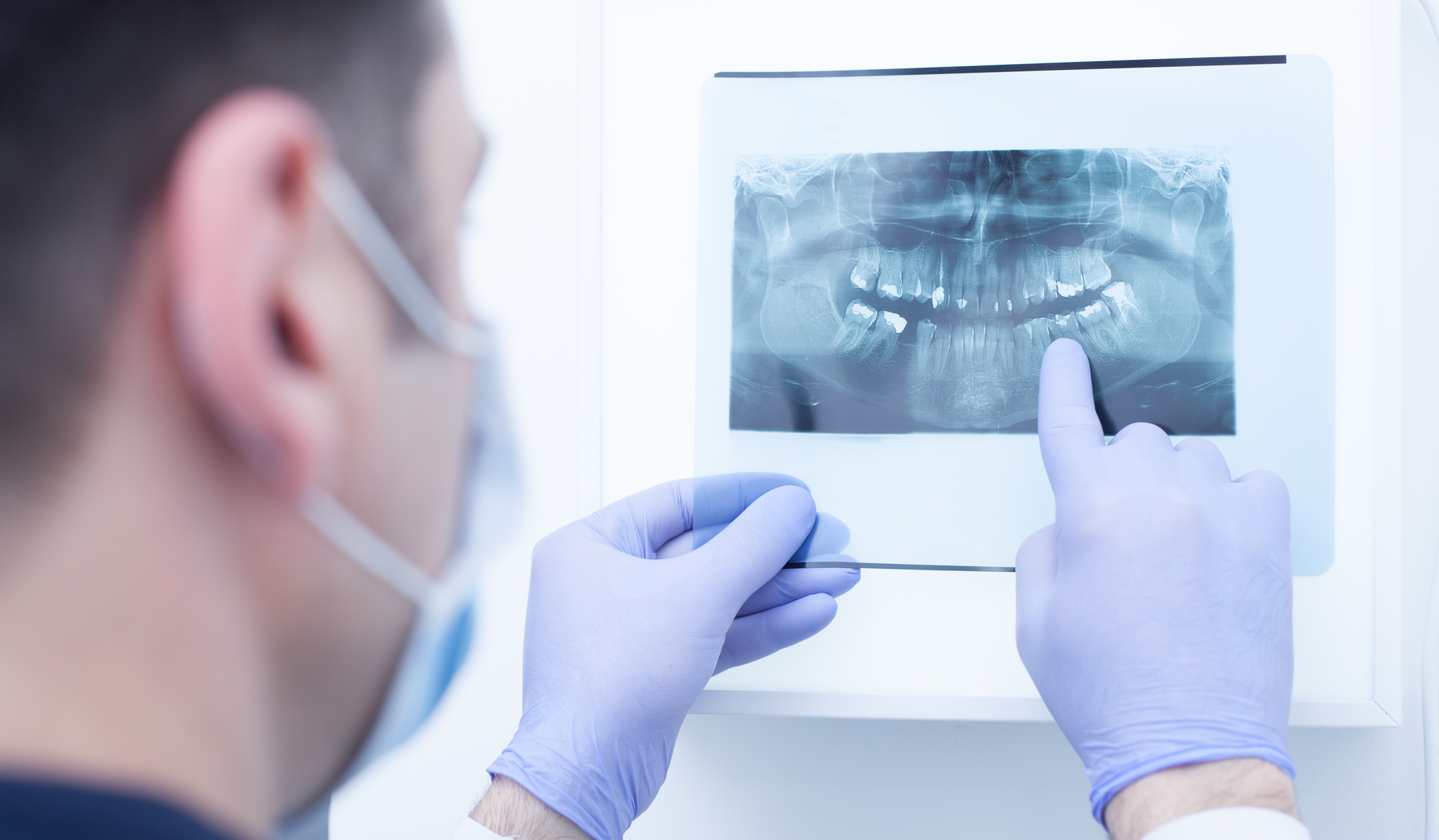
Avoid trying to diagnose the problem based on swelling alone. A dentist may examine the area and recommend dental imaging to evaluate the position of the wisdom tooth and surrounding structures.
What Treatments Might a Dentist Recommend?
Treatment depends on the cause of the swelling, the position of the tooth, and whether infection or other complications are present.
Possible treatment approaches include:
Professional cleaning and irrigation: A dentist may clean around a partially erupted tooth to remove trapped debris and assess the affected gum tissue.
Medication when indicated: A qualified provider may recommend appropriate medication when clinically necessary. Antibiotics are not required for every case of wisdom tooth inflammation and do not replace treatment of the underlying source.
Wisdom tooth extraction: If the tooth is impacted, repeatedly causes problems, or cannot be maintained appropriately, removal may be recommended.
Additional treatment for an adjacent tooth: If decay or another condition affects a neighboring molar, the dentist may recommend a filling, root canal treatment, or another appropriate procedure.
These options are not suitable for every patient. An examination helps determine whether the tooth can be monitored, needs treatment, or should be removed.
Do not attempt to cut gum tissue, drain swelling, or forcefully clean beneath the gum flap yourself.
Where Can You Find Emergency Wisdom Tooth Care in Spokane?
Searching for a provider while dealing with swelling can be frustrating, especially outside ordinary business hours.
Emergency Dental Spokane operates a phone-based appointment-coordination service that helps callers locate licensed dental providers according to availability.
The website lists coverage in:
Spokane
Spokane Valley
Liberty Lake
Airway Heights
Cheney
Medical Lake
Deer Park
Mead and Colbert
Additional nearby communities may also be served through its provider network.
When calling, explain where the swelling is located, when it began, whether you have difficulty opening your mouth, and whether the swelling is spreading. Mention any fever or difficulty swallowing so the urgency can be assessed appropriately.
Call (509) 408-3865 to request assistance finding an emergency dental provider. The service can help identify appointment options, but the actual clinic, timing, and available treatments must be confirmed.
Take the Next Step for Wisdom Tooth Swelling
Swelling around a wisdom tooth should not be ignored when it is new, persistent, or getting worse. Several dental conditions can produce similar symptoms, and professional assessment is the safest way to identify the cause and determine appropriate treatment.
If you live in Spokane, Spokane Valley, Liberty Lake, Cheney, or a nearby service area, contact Emergency Dental Spokane for help locating a provider.
Call (509) 408-3865 for assistance finding urgent dental care. If you have difficulty breathing or swallowing, seek emergency medical assistance immediately.
Disclaimer: This article provides general information only and should not be construed as professional medical or dental advice, diagnosis, or treatment. Always consult with a licensed dentist or healthcare provider regarding any dental emergency or medical condition.
