Dry Socket After Tooth Extraction in Spokane? Get Dental Help
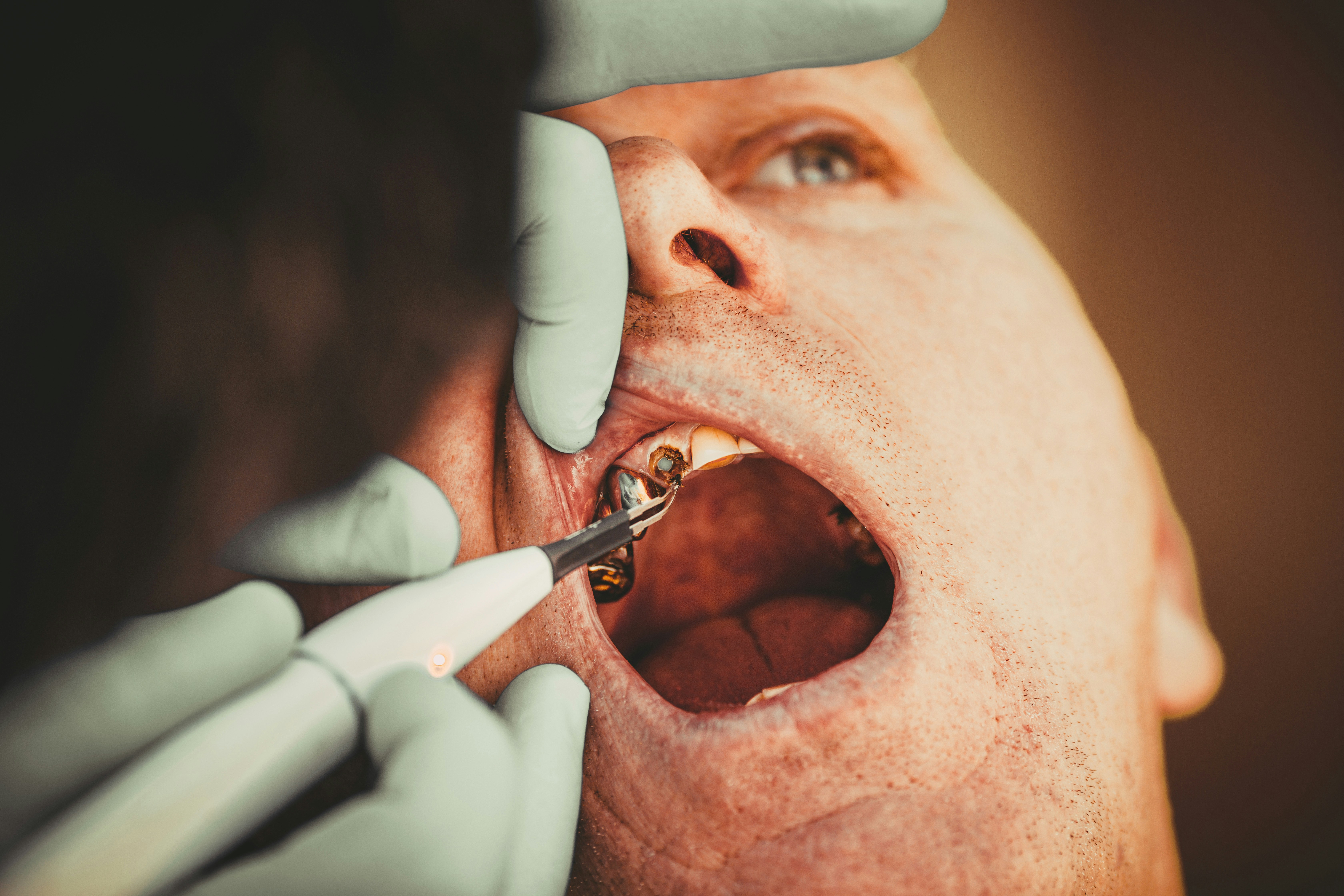
Having a tooth removed is often followed by a period of healing. However, if the extraction site seems to be getting worse rather than gradually improving, you may need to contact a dental professional.
One possible complication is dry socket, a condition that can develop when the blood clot at the extraction site is lost or fails to remain in place. The clot normally helps protect the underlying bone and tissue while healing begins.
Not every uncomfortable extraction site is dry socket. Infection, food debris, and normal postoperative inflammation can produce overlapping symptoms. If you are concerned about how the area is healing, Emergency Dentist Spokane can help you locate a dental provider.
Call (509) 408-3865 for assistance finding care in Spokane and nearby communities.
What Signs After an Extraction Should Prompt a Dental Call?
Some tenderness and swelling may occur after a tooth extraction. The expected recovery period varies depending on the tooth, the complexity of the procedure, and individual healing.
Contact your dentist if you notice:
Discomfort that becomes worse after initially improving.
An extraction site that appears unusually empty.
An unpleasant taste or odor coming from the area.
Persistent irritation around the socket.
Symptoms that do not follow the recovery instructions provided by your dentist.
Dry socket can share characteristics with other postoperative problems, so these signs cannot confirm the condition on their own.
Uncontrolled bleeding, rapidly increasing facial swelling, fever with worsening symptoms, or feeling seriously unwell warrants urgent professional assessment. Difficulty breathing or swallowing requires emergency medical care.
If you recently had a tooth removed and something does not seem right, contact the treating dentist or another qualified dental provider for guidance rather than waiting for the symptoms to become more disruptive.
What Could Explain Problems at an Extraction Site?
Several conditions can affect an extraction site during recovery.
1. Dry socket
After a tooth is removed, the blood clot normally protects the socket. If the clot is lost or breaks down prematurely, the exposed area may become intensely sensitive and healing may be disrupted. A dental examination is needed to determine whether this is occurring.
2. Postoperative infection
Bacteria may contribute to an infection at the surgical site. Increasing swelling, drainage, fever, or worsening symptoms may raise concern, although no single symptom confirms infection.
3. Food debris or local tissue irritation
Food particles can collect near the extraction site, while brushing, chewing, or accidentally disturbing the area may irritate healing tissues. This can cause symptoms that resemble other complications.
Normal healing can also involve tenderness and swelling, particularly after a more complex extraction. A dentist can evaluate the timing and nature of your symptoms to determine the appropriate next step.
Avoid probing the socket with fingers, toothpicks, cotton swabs, or other objects to determine what is happening.
How Is Dry Socket or Another Extraction Complication Treated?
Treatment depends on the findings of the dental examination. A provider may consider several approaches based on the specific problem.
1. Gentle cleaning of the extraction site
When appropriate, the dentist may gently irrigate the area to remove debris. Follow the treating professional's instructions about rinsing and cleaning, particularly during the early healing period.
2. A medicated dressing
If dry socket is diagnosed, a dentist may place a dressing in the socket to protect the exposed area and help manage symptoms. The dressing may need to be checked or replaced according to the provider's instructions.
3. Appropriate symptom management
A dental professional may recommend suitable pain-management measures based on your medical history and the examination. Use over-the-counter medication only according to the product label and professional guidance, if appropriate for you.
4. Additional treatment if infection is identified
If the examination suggests an infection or another complication, the dentist may recommend additional treatment. Antibiotics may be appropriate in selected circumstances, but they are not routinely required for dry socket itself.
The correct treatment depends on the diagnosis. Do not attempt to pack the socket with household materials or apply unprescribed substances to the wound.
What Can You Do While Arranging Dental Care?
Until a dentist evaluates the area, protect the extraction site and follow the instructions provided after your procedure.
General precautions may include:
Avoid smoking or vaping, which can interfere with healing.
Do not use straws or create forceful suction during the period specified by your dentist.
Avoid vigorous rinsing or spitting, particularly during the early healing period.
Eat soft foods and avoid chewing directly on the affected area.
Maintain oral hygiene carefully without disturbing the socket.
Do not stop, start, or change prescribed medication without professional guidance.
If your dentist gave you specific postoperative instructions, follow those instructions rather than substituting general online advice.
If the original dental office is unavailable, contact another qualified provider for assistance. Emergency Dental Spokane can help callers locate providers based on availability.
Find Post-Extraction Dental Help in Spokane
A problem after tooth removal can be difficult to assess without an examination. You may not know whether the site is healing normally, whether the clot has been disturbed, or whether another complication is present.
Emergency Dental Spokane provides phone-based appointment coordination for people seeking urgent dental care. Its listed service areas include Spokane, Spokane Valley, Liberty Lake, Airway Heights, Cheney, Medical Lake, and nearby communities.
When you call, be ready to share:
The date of your extraction.
Which tooth was removed, if known.
When the symptoms began and whether they are worsening.
Whether you have swelling, drainage, fever, or persistent bleeding.
Call (509) 408-3865 for assistance finding a dental provider. Appointment availability and the services offered by individual clinics must be confirmed directly.
Don't Ignore Worsening Symptoms After Tooth Removal
Healing after an extraction takes time, but worsening symptoms deserve attention. Dry socket is one possible explanation, while infection, debris, and normal postoperative changes can cause overlapping signs.
A dental professional can examine the area and recommend appropriate care rather than relying on assumptions.
If you are in Spokane or a nearby service area, contact Emergency Dental Spokane to find out what appointment options may be available.
Call (509) 408-3865 for assistance arranging urgent dental evaluation. Seek emergency medical care if you experience difficulty breathing or swallowing or another potentially life-threatening symptom.
Disclaimer: This article provides general information only and should not be construed as professional medical or dental advice, diagnosis, or treatment. Always consult with a licensed dentist or healthcare provider regarding any dental emergency or medical condition.
