Child Dental Emergency in Spokane? Find Urgent Dental Care
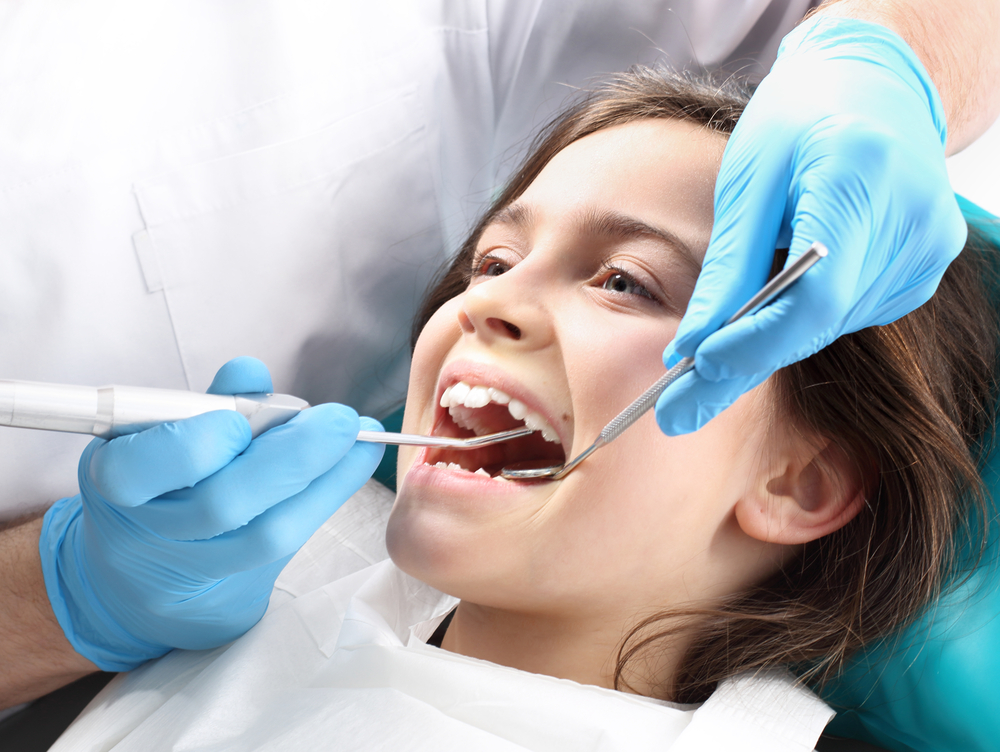
When a child injures a tooth, parents and caregivers need to make quick decisions. A tooth may become loose after a fall, a piece of enamel may break, or the gums may swell around an injured area. Even when a child seems comfortable, some dental injuries require prompt professional evaluation.
The first step is to assess whether the child has other injuries and then contact an appropriate dental professional. A baby tooth and a permanent tooth may require different approaches, so avoid trying to reposition or remove an injured tooth yourself.
Emergency Dental Spokane helps families locate licensed dental providers through its appointment-coordination service. If your child needs urgent dental attention in Spokane, Spokane Valley, Liberty Lake, or a nearby community, call (509) 408-3865 for assistance.
Which Dental Problems in Children Need Urgent Attention?
Children can experience dental injuries at different stages of development. Some affect only the outer surface of a tooth, while others involve the tooth's supporting tissues or the surrounding jaw.
Contact a dental professional promptly if your child has:
A permanent tooth that has been knocked out or displaced.
A baby tooth that has become unusually loose after an injury.
A chipped, cracked, or broken tooth.
Bleeding around a tooth that does not settle with appropriate first aid.
Swelling around the gums following an injury.
A tooth that appears to have moved into the gum or changed position.
Difficulty biting normally after an impact to the mouth.
A child may not be able to describe the extent of an injury clearly. Watch for refusal to eat, unusual irritability, sensitivity around the mouth, or reluctance to let you examine the area.
If the child has a serious head injury, loss of consciousness, uncontrolled bleeding, or difficulty breathing, seek emergency medical assistance. Call 911 when appropriate.
Do not reinsert a knocked-out baby tooth. If a permanent tooth has been knocked out, contact a dental professional immediately for specific instructions because time-sensitive care may improve the chance of saving it.
What Could Cause a Dental Injury in a Child?
Several types of incidents and dental conditions can produce similar signs. The exact nature of an injury cannot be determined by appearance alone.
1. Falls and accidental impacts
A fall while walking, running, or playing may cause a tooth to chip, loosen, or shift position. The surrounding gums and supporting structures may also be affected.
2. Biting hard objects or foods
Biting a hard object or food can damage weakened enamel or cause a fracture. The size of the visible chip does not always reveal how deeply the tooth has been affected.
3. Tooth decay or weakened tooth structure
A tooth weakened by decay may be more susceptible to breaking during ordinary chewing. A child may have an underlying cavity even when the visible damage seems relatively minor.
4. Infection around a tooth
Swelling around a child's tooth may be associated with an infection, gum inflammation, or another condition. Fever, facial swelling, or worsening symptoms should not be dismissed as a routine teething issue without appropriate assessment.
A dental professional can examine the affected tooth and surrounding tissues and determine whether imaging or additional evaluation is needed.
What Should Parents Do Before the Dental Appointment?
Your immediate priorities are to keep your child safe, protect the injured area, and arrange appropriate care.
Consider these general steps:
Stay calm and reassure your child. A calm response can help you gather information and make it easier for the child to cooperate.
Check for other injuries. If you suspect a head, jaw, or facial injury, seek appropriate medical assessment.
Control minor bleeding carefully. If appropriate, apply gentle pressure with clean gauze to the bleeding soft tissue. Do not force pressure onto a displaced or severely injured tooth.
Protect a damaged tooth. Avoid chewing on the affected side and choose soft foods until the child receives professional guidance.
Save any broken tooth fragment. Place it in a clean container and bring it to the dental appointment.
Contact a dental professional promptly. Explain the child's age, whether the tooth is a baby tooth or permanent tooth if known, and how the injury occurred.
If a permanent tooth has been knocked out, handle it by the crown rather than the root. Keep it moist and ask the dental professional for immediate instructions. Do not attempt to reinsert a baby tooth.
Avoid applying household adhesives, using sharp objects, or attempting to move a displaced tooth back into position.
What Treatments Might a Dentist Recommend for a Child's Injured Tooth?
Treatment depends on the child's age, the type of tooth involved, the extent of the injury, and whether the surrounding tissues have been damaged.
Possible approaches include:
1. Examination and monitoring: A dentist may assess the tooth, check its stability, and recommend follow-up visits to monitor healing. Some injuries require observation rather than immediate restorative treatment.
2. Repair of a chipped or broken tooth: Depending on the damage, a dentist may smooth a rough edge, apply bonding material, or recommend another restoration to protect the tooth.
3. Stabilization of an injured permanent tooth: When appropriate, a dentist may reposition a displaced tooth and use a splint to stabilize it while the supporting tissues heal.
4. Treatment of the inner tooth tissues: If an injury affects the pulp, the dentist may recommend specialized treatment depending on the tooth's development and the extent of the damage.
5. Extraction when necessary: If a tooth cannot be preserved safely, removal may be considered. The dentist will weigh the child's age, the tooth's role in development, and the condition of the surrounding structures.
These are possible options, not guaranteed treatments. A dentist must assess the individual injury before deciding on the appropriate plan.
Where Can Families Find Emergency Dental Care in Spokane?
When a child has a dental injury, families may need help locating a provider who can assess the situation promptly.
Emergency Dental Spokane offers phone-based appointment coordination to help callers locate licensed dental providers according to availability.
The website lists coverage in:
Spokane
Spokane Valley
Liberty Lake
Airway Heights
Cheney
Medical Lake
Mead and Colbert
Deer Park
When calling, explain the child's age, which tooth is affected, when the injury occurred, and whether there is bleeding, swelling, or a change in tooth position. Mention any medical concerns that could affect the urgency of care.
Call (509) 408-3865 for assistance finding an appropriate dental provider. The service can help identify appointment options, but the individual clinic determines its availability and treatment capabilities.
Get Prompt Help for Your Child's Dental Emergency
A child's dental injury can affect a baby tooth, a developing permanent tooth, or the surrounding tissues. The appropriate response depends on the injury, and delaying assessment may limit available treatment options.
If your child has a broken, displaced, or otherwise injured tooth, contact a qualified dental professional for guidance. If there are signs of a serious medical emergency, seek emergency medical care immediately.
For families in Spokane, Spokane Valley, Liberty Lake, Cheney, and nearby communities, Emergency Dental Spokane can help locate available dental providers.
Call (509) 408-3865 for assistance finding urgent dental care for your child.
Disclaimer: This article provides general information only and should not be construed as professional medical or dental advice, diagnosis, or treatment. Always consult with a licensed dentist or healthcare provider regarding any dental emergency or medical condition.
